If you’ve spent any time texting friends, scrolling through social media, or chatting online, you’ve probably come across the phrase WTW at least once.
Maybe someone sent you wtw? late at night, or you noticed it in a Snapchat caption and wondered what it actually meant.
Modern texting slang changes fast. New abbreviations appear almost every day, and keeping up with them can feel confusing sometimes.
That’s why understanding terms like wtw meaning in text matters more than ever. These tiny shortcuts can completely change the tone of a conversation, help people communicate faster, and even shape online culture.
The good news? WTW is actually pretty simple once you know the context. It’s casual, friendly, and widely used among teens and young adults across messaging apps and social platforms.
What Does WTW Meaning in Text?
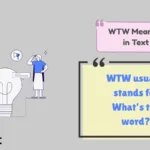
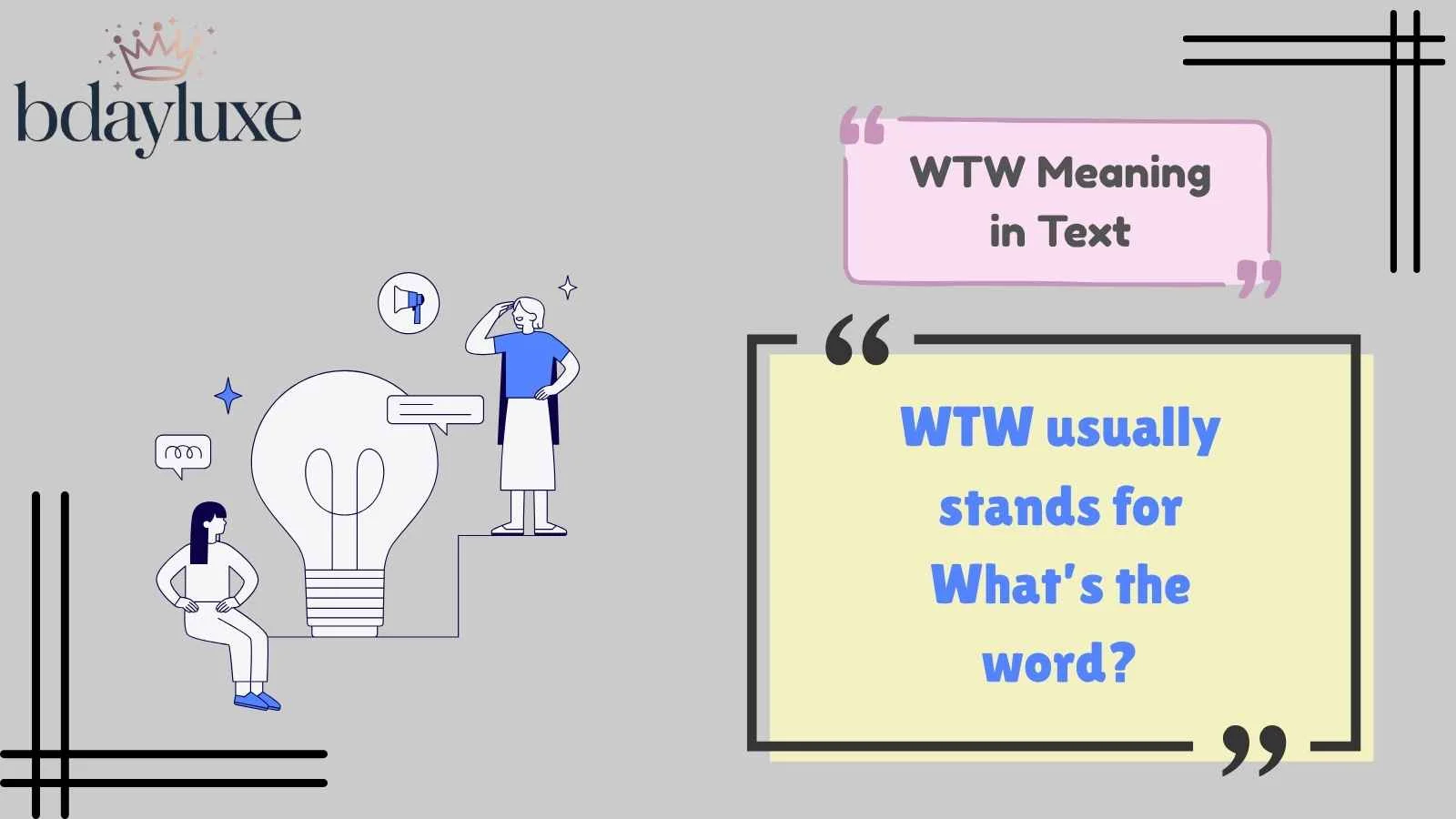
In texting, WTW usually stands for What’s the word?
It’s an informal way of asking:
- What’s going on?
- What’s the plan?
- What are you doing?
- What’s happening?
Think of it like a casual conversation starter. Instead of typing a full sentence, people shorten it to WTW because it’s faster and feels more relaxed.
For example:
- WTW tonight?
- Hey, wtw?
- WTW after school?
In real life, the meaning changes slightly depending on the conversation. Sometimes it’s asking about plans. Other times it simply means What’s up?
Here’s a simple example:
Imagine your friend texts you on a Friday evening:
WTW?
They’re probably asking if you’re free or if anything exciting is happening.
Another example:
Someone posts wtw this weekend? on Snapchat. They’re looking for ideas, plans, or people to hang out with.
The phrase feels natural because it sounds conversational instead of formal.
Origin and Background of the Term
The phrase What’s the word? existed long before smartphones and texting apps became popular.
People have used it casually in spoken English for decades. In many communities, especially in urban slang and youth culture, What’s the word? was another way of saying:
- What’s happening?
- What’s new?
- Tell me what’s going on.
As texting culture exploded in the early 2000s, people started shortening phrases into abbreviations to save time. That’s when What’s the word? became simply WTW.
Social media platforms like Snapchat, Instagram, TikTok, and Twitter helped spread the term even faster. Teenagers especially adopted it because short abbreviations matched the quick pace of online conversations.
Interestingly, WTW became popular not just because it was shorter, but because it sounded cool and effortless. Online language often rewards speed and style, and WTW fit perfectly into that trend.
Today, it’s part of modern internet vocabulary used worldwide.
How WTW Is Used in Daily Life
WTW appears in many everyday conversations. The exact meaning depends on tone and context.
Here are some common ways people use it.
Asking About Plans
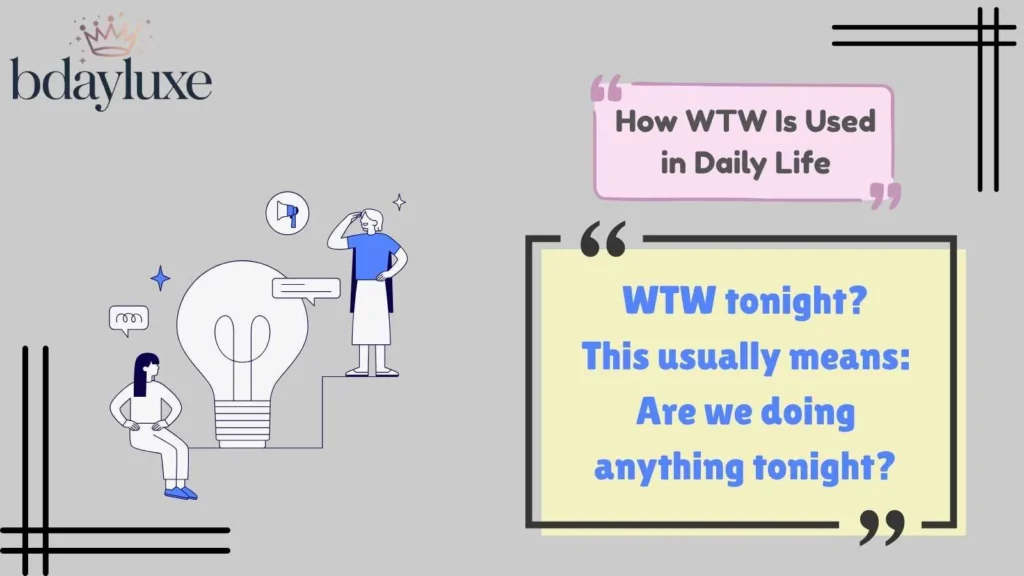
WTW tonight?
This usually means:
Are we doing anything tonight?
Starting a Casual Conversation
Yo, wtw?
This is similar to saying:
What’s up?
Looking for Something Fun
WTW this weekend?
Someone is searching for ideas or plans.
Checking In With Friends
Been a while, wtw?
This acts as a friendly reconnecting message.
Social Media Captions
People often post:
WTW? on Snapchat stories.
They’re inviting others to reply or make plans.
Group Chats
In group conversations, someone may text:
WTW after the game?
They want to know what everyone’s doing next.
The reason WTW works so well is because it’s flexible. One tiny abbreviation can mean several things while still sounding natural.
Emotional or Practical Meaning of WTW
At first glance, WTW may seem like just another internet shortcut. But socially, it does more than save typing time.
It creates a relaxed, friendly atmosphere.
When someone texts WTW, it usually feels casual and welcoming. It doesn’t carry the pressure of a formal conversation. Instead, it opens the door naturally.
That’s important in today’s digital world, where many conversations happen quickly and casually.
WTW can also reflect connection and curiosity. Sometimes people use it because they genuinely want to spend time together or stay involved in each other’s lives.
For teenagers and young adults especially, slang terms like WTW help build identity and belonging online. Using shared language creates a sense of community.
Even brands and influencers now use abbreviations like WTW to sound relatable to younger audiences.
In many ways, internet slang has become its own modern dialect.
Similar or Related Terms
Here are some related slang terms people often confuse with WTW:
- WYD — What are you doing?
- More focused on someone’s current activity.
- WSP — What’s up?
- Casual greeting.
- HBU — How about you?
- Used after answering a question.
- HMU — Hit me up.
- Means contact me later.
- BRB — Be right back.
- Temporary pause in conversation.
- WYA — Where you at?
- Asking for someone’s location.
Although these terms are similar, WTW is more open-ended. It can ask about plans, mood, activities, or general updates all at once.
Common Misunderstandings About WTW
Like many slang abbreviations, WTW sometimes causes confusion.
Here are a few common misunderstandings.
People Think It Has Only One Meaning
WTW doesn’t always mean exactly the same thing. Context matters.
Sometimes it means:
What’s up?
Other times:
What are the plans?
Some Assume It’s Rude
Because it’s short, some people think WTW sounds lazy or cold.
In reality, it’s usually friendly and casual.
Older Generations May Not Recognize It
Not everyone understands texting slang immediately. Parents or teachers may need clarification when they first see it.
It’s Not Formal English
WTW works best in casual conversations, not professional emails or school essays.
It’s Often Confused With Other Acronyms
Some people mix up WTW with unrelated abbreviations online. That’s why context is important.
Examples of WTW in Sentences
Here are some natural examples showing how people use WTW in everyday conversations.
- Hey, wtw after class today?
- WTW this weekend? I’m bored.
- Yo bro, wtw tonight?
- Haven’t talked in forever, wtw?
- She posted ‘wtw’ on her Snapchat story.
- WTW if the game gets canceled?
- I texted him ‘wtw’ just to start a conversation.
- WTW later? We should hang out.
These examples show how flexible and conversational the term feels.
Why Understanding WTW Matters Today
Language changes constantly, especially online.
A few years ago, many people didn’t know terms like LOL, DM, or TBH. Now they’re part of everyday communication. WTW is following the same path.
Understanding modern slang helps people communicate more naturally in digital spaces. Whether you’re chatting with friends, using social media, or simply trying to understand internet culture, knowing terms like WTW prevents confusion.
It also helps bridge generational gaps. Parents, teachers, and professionals who understand texting slang can connect better with younger audiences.
For content creators, marketers, and influencers, understanding online language is especially valuable. Internet culture moves quickly, and slang often shapes trends, humor, and engagement.
Most importantly, learning terms like WTW reminds us that language is alive. Humans constantly create new ways to express connection, curiosity, and personality.
That’s part of what makes communication so fascinating.
FAQs:
What does wtw mean in simple words?
WTW usually means What’s the word? In simple terms, it’s another way of asking What’s up? or What’s going on?
Is wtw positive or negative?
WTW is generally positive or neutral. It’s usually used in friendly, casual conversations.
Where is wtw commonly used?
People commonly use WTW on Snapchat, Instagram, TikTok, texting apps, and group chats.
Is wtw formal or informal?
WTW is very informal. It’s best for casual conversations with friends or people you know well.
Why do people search for wtw meaning in text?
People search for it because texting slang changes over time, and many want to understand modern internet language and social media conversations.
Conclusion:
The phrase wtw meaning in text may look small, but it reflects a much bigger shift in how people communicate online today.
Fast, casual, and expressive language has become a huge part of internet culture, and WTW is one of the many abbreviations helping people stay connected in a simple way.
Whether someone uses it to make plans, start a conversation, or casually check in with friends, WTW keeps communication relaxed and natural. Once you understand the context, it becomes easy to recognize and use confidently.
Language will continue evolving with time, especially in digital spaces. Staying curious about new words and slang not only helps you understand others better but also keeps you connected to modern culture and communication trends.